

Cannabis for Pets
Disclaimer: This page is for general educational purposes only and is not veterinary advice. Always speak with your veterinarian before giving your pet CBD, hemp products, or any cannabis-derived compound. If your pet may have eaten THC products, gummies, edibles, vape oil, or anything containing xylitol, chocolate, or raisins, contact your veterinarian or an emergency animal clinic right away.
Interest in cannabis for pets has grown fast, but the conversation is a lot more serious now than it was a few years ago. Back then, plenty of articles made it sound simple… give a pet some CBD and everything gets better. That is not how responsible pet care works.
Today, the smarter approach is to understand the difference between CBD and THC, choose products carefully, and involve your veterinarian before you start. Some pet owners do report that hemp-derived CBD products may help with issues like mobility, discomfort, situational stress, and overall quality of life in some dogs. But results vary, product quality is all over the place, and not every pet is a good candidate.

What “Cannabis for Pets” Usually Means Today
In real-world use, when people talk about cannabis for pets, they are almost always talking about hemp-derived CBD products, not marijuana products high in THC.
That distinction matters. CBD is the non-intoxicating cannabinoid most people look at for pet support. THC is the intoxicating compound in cannabis, and pets, especially dogs, can be far more sensitive to it than humans. That means a product that seems mild to a person can hit a pet much harder.
If you are shopping for a pet product, the goal is usually simple… high CBD, very low THC, clearly labeled ingredients, and third-party lab testing.
If you want a more detailed breakdown of serving amounts, you can also review our vet CBD dosing chart.
Why Some Pet Owners Use CBD Products
Pet owners usually do not turn to CBD because they want a trendy wellness product. They do it because they are trying to help a dog or cat that is getting older, slowing down, anxious, restless, or dealing with ongoing discomfort.
Common reasons owners explore CBD for pets include:
- Joint stiffness and age-related mobility issues
- Situational anxiety, like storms, fireworks, or travel
- Support for pets dealing with discomfort
- Appetite and overall comfort in older pets
- General wellness support as part of a broader care plan
That said, pet owners need to keep one thing straight… CBD is not a miracle cure. It is not a substitute for proper veterinary diagnosis, and it should never be used to ignore serious symptoms like limping, seizures, vomiting, collapse, severe pain, or sudden behavior changes.
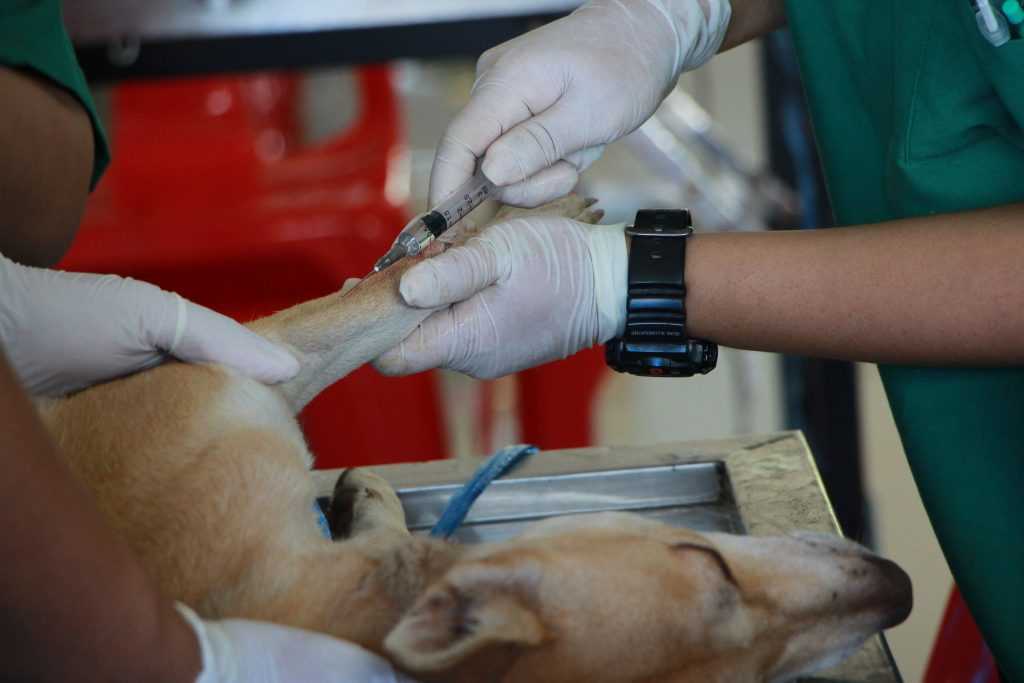
CBD for Pets vs THC for Pets
This is where people screw it up.
Many assume that because a cannabis product helps humans relax or sleep, it must be fine for animals too. Wrong. Pets process cannabinoids differently, and THC exposure can cause real problems. A dog that gets into strong edibles, flower, concentrates, or THC-heavy oils can become disoriented, lethargic, unsteady, agitated, or worse.
If you are considering a cannabis-derived product for a pet, a CBD-dominant hemp product with little to no THC is the safer lane to discuss with your vet. Random human weed products are not the answer.
How Pet Owners Usually Give CBD
Most pet-focused CBD products today come in forms that are easier to measure than the old stuff:
- Tinctures or oils with measured droppers
- Soft chews with a fixed amount of CBD per chew
- Pet treats made specifically for dogs or cats
- Topicals in some cases, depending on the product and purpose
Tinctures are still one of the most practical options because they let you adjust the amount more precisely. Some owners place the oil directly into the pet’s mouth, while others mix it into food. Chews and treats are convenient, but they can make it harder to fine-tune the serving if your pet needs something more exact.
Whatever format you choose, the label needs to clearly tell you:
- Total CBD in the package
- CBD per mL, dropper, chew, or treat
- All active and inactive ingredients
- Whether the product has third-party lab results
If the label is vague, sloppy, or trying too hard to sound magical, skip it.
What to Look for in a Pet CBD Product
The pet CBD market is crowded, and frankly, some of it is junk. A clean label and a cute dog on the bottle do not mean the product is high quality.
Look for products that:
- Clearly list the amount of CBD in milligrams
- Are made specifically for pets
- Show third-party lab testing or a certificate of analysis
- Have little to no THC
- Do not contain ingredients that may be unsafe for animals
Be extra careful with flavored gummies, baked goods, and products meant for people. Some include sweeteners or other additives that are not a good fit for pets.
Start Low and Watch Closely
The old advice still applies here in one important way… start low.
Even when a product is marketed for pets, it makes sense to begin conservatively and monitor how your animal responds. Changes to look for include energy level, appetite, balance, restlessness, stomach upset, or whether your pet seems more comfortable moving around.
If your pet seems overly sedated, wobbly, unusually confused, or just plain off, stop using the product and contact your vet.
And no, this is not the place to freestyle it with strong THC products because somebody online said cannabis “works for everything.” That is how people end up with a sick dog and a very expensive emergency visit.
Is Cannabis for Pets Legal?
The legal side is still messy, and it depends on the product and where you live. In general, hemp-derived CBD products are much easier to find than marijuana-based products, but “easy to find” does not automatically mean fully approved, fully tested, or risk-free.
That is one of the biggest reasons pet owners should avoid making decisions based only on marketing. A product can be widely sold online and still leave a lot of unanswered questions about quality, consistency, and proper animal use.
When Cannabis Products Are Not the Answer
CBD should not be used as a bandage over problems that need real medical attention. If your pet has any of the following, get veterinary help instead of trying to play chemist at home:
- Seizures or collapse
- Persistent vomiting or diarrhea
- Sudden loss of appetite
- Serious pain or limping
- Labored breathing
- Confusion, tremors, or trouble standing
- Known or suspected THC ingestion
CBD may be part of a broader wellness plan in some cases, but it should not replace actual diagnosis and treatment.
Final Thoughts on Cannabis for Pets
Cannabis for pets is no longer a fringe topic, but it also should not be treated like a free-for-all. The most practical path is to focus on hemp-derived CBD products made for pets, avoid THC-heavy products, verify the label, and talk with your veterinarian before starting anything new.
For some pets, CBD may become one part of a thoughtful comfort or wellness routine. For others, it may not be the right fit at all. Either way, the goal is the same… better support, fewer stupid risks, and a healthier life for the animal depending on you.
If you are also looking for a more specific breakdown by body size, visit our vet CBD dosing chart.